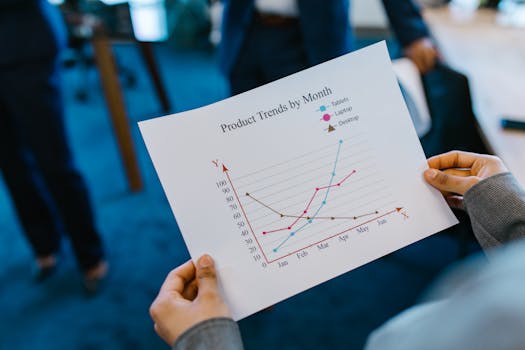
Are you pouring budget into influencer marketing only to feel like you’re flying blind? It’s a common frustration. The landscape of influencer marketing is dynamic, and frankly, measuring its success can feel more like an art than a science. But what if I told you there’s a way to move beyond surface-level likes and comments and truly understand the impact your campaigns are having on your bottom line? The key lies in robust influencer marketing campaign measurement.
Let’s face it, many brands stop at engagement rates, believing that a flood of likes means success. While engagement is a piece of the puzzle, it’s rarely the whole picture. True measurement connects influencer activity directly to your business objectives. It’s about understanding not just if people saw your message, but what they did with it, and ultimately, how it contributed to your goals.
Defining Your “Win”: Setting SMART Goals
Before you even think about metrics, you need to define what success looks like for your specific campaign. This is where many campaigns stumble. Vague aspirations lead to vague results.
Specific: What exactly do you want to achieve? (e.g., Increase website traffic, drive product sales, boost brand awareness).
Measurable: How will you quantify success? (e.g., 15% increase in website traffic from influencer links, 100 direct sales attributed to a promo code).
Achievable: Is this goal realistic given your budget and influencer selection?
Relevant: Does this goal align with your broader marketing and business objectives?
Time-bound: When do you expect to achieve this goal? (e.g., Within 30 days of campaign launch).
Setting these SMART goals is the bedrock of effective influencer marketing campaign measurement. Without them, you’re just collecting data without context. I’ve seen clients achieve fantastic engagement metrics, only to realize those weren’t the metrics that actually moved their business forward.
Tracking the Journey: From Awareness to Conversion
Understanding the full customer journey is crucial. Influencers can impact various stages, and your measurement strategy needs to reflect that.
#### Awareness and Reach Metrics
These are your foundational metrics, showing how many people saw your content.
Impressions: The total number of times content was displayed.
Reach: The number of unique individuals who saw your content.
Follower Growth: While not always directly tied to a campaign, significant spikes can indicate successful brand discovery.
It’s tempting to rest on high impression numbers, but remember, impressions are just opportunities to be seen. The real magic happens when those opportunities lead to action.
#### Engagement Metrics: More Than Just Likes
Engagement tells you how your audience interacts with the influencer’s content featuring your brand.
Likes, Comments, Shares, Saves: Standard social media interactions.
Click-Through Rate (CTR): For links provided by the influencer, this is vital. What percentage of people who saw the link clicked it?
Video Viewership & Completion Rates: For video content, understanding how much of the video people watched is key.
I’ve often found that while likes are easy to spot, comments and shares are more indicative of genuine interest and discussion around your brand or product.
#### Conversion and ROI: The Bottom Line
This is where we connect influencer activity to tangible business outcomes. This is the core of effective influencer marketing campaign measurement.
Website Traffic: Use UTM parameters on influencer links to track how much traffic they drive to your site.
Lead Generation: Are influencers prompting sign-ups for newsletters, webinars, or free trials?
Sales & Revenue:
Unique Discount Codes: Assign a specific code to each influencer. This is one of the most direct ways to track sales.
Affiliate Links: If applicable, track sales generated through unique affiliate links.
Direct Attribution: For e-commerce, look for direct purchases immediately following influencer content consumption.
Return on Investment (ROI):
Formula: `((Revenue Generated – Campaign Cost) / Campaign Cost) 100`
This metric is your ultimate success indicator. It shows if your influencer marketing spend is profitable.
Calculating ROI requires diligent tracking. Don’t just eyeball it; set up systems to capture this data accurately.
Beyond the Numbers: Qualitative Impact
While quantitative data is essential, don’t discount the qualitative insights influencers can provide.
#### Brand Sentiment and Perception
Comment Analysis: What are people saying in the comments? Is it positive, negative, or neutral? Are they asking relevant questions?
Direct Messages (DMs): Monitor DMs received by influencers or your brand about the campaign.
Sentiment Analysis Tools: For larger campaigns, these tools can help gauge overall brand perception.
Understanding how people feel about your brand, informed by influencer content, can be just as valuable as a sales figure.
#### Content Quality and Brand Alignment
Authenticity: Did the influencer genuinely connect with your brand and product?
Messaging Accuracy: Was the influencer’s message aligned with your brand guidelines and key talking points?
Audience Relevance: Did the influencer’s audience truly match your target demographic?
This feedback loop is invaluable for refining future influencer partnerships and improving your overall campaign strategy.
Practical Steps for Smarter Measurement
So, how do you put this all into practice without getting overwhelmed?
- Choose the Right Influencers: Focus on influencers whose audience aligns with your target market and who demonstrate genuine engagement and brand affinity. This is foundational for effective influencer marketing campaign measurement.
- Utilize Tracking Tools:
UTM Parameters: Essential for tracking website traffic and conversions from specific links.
Promo Codes/Affiliate Links: Directly ties sales to influencers.
Social Media Analytics Platforms: Native platform insights are a good start, but dedicated tools can offer deeper analysis.
Influencer Marketing Platforms: Many platforms offer built-in measurement and reporting features.
- Establish Baseline Metrics: Know your performance before* the campaign to accurately measure the lift.
- Regularly Review and Adapt: Don’t wait until the campaign is over. Monitor performance regularly and be prepared to make adjustments.
- Develop a Comprehensive Report: Go beyond raw data. Analyze trends, insights, and actionable recommendations for future campaigns.
Final Thoughts: Make Measurement Your Competitive Edge
Ultimately, mastering influencer marketing campaign measurement isn’t just about proving your worth; it’s about making smarter, data-driven decisions that lead to more effective campaigns and a better return on your investment. Stop treating influencer marketing as a black box. By focusing on clear goals, tracking the right metrics, and analyzing both quantitative and qualitative data, you can transform your influencer efforts from speculative spending into a predictable, powerful growth engine. The brands that truly excel in this space are the ones that commit to rigorous measurement and continuous optimization. Are you ready to unlock that potential?